The Unitarian Universalist Church of Kent is teaming up with Green Paradigm Partners, Elsa Johnson and Tom Gibson, to offer a home permaculture workshop for those interested in learning about or building on their knowledge of sustainable gardening and landscaping.
The workshop will meet from 9 – 11 AM, September 14, 21, 28, and October 5 in Fessenden Hall [downstairs] at the UU Church of Kent.
The fee is $170 per household (Yes, bring your partner!) Space is limited, so register soon!
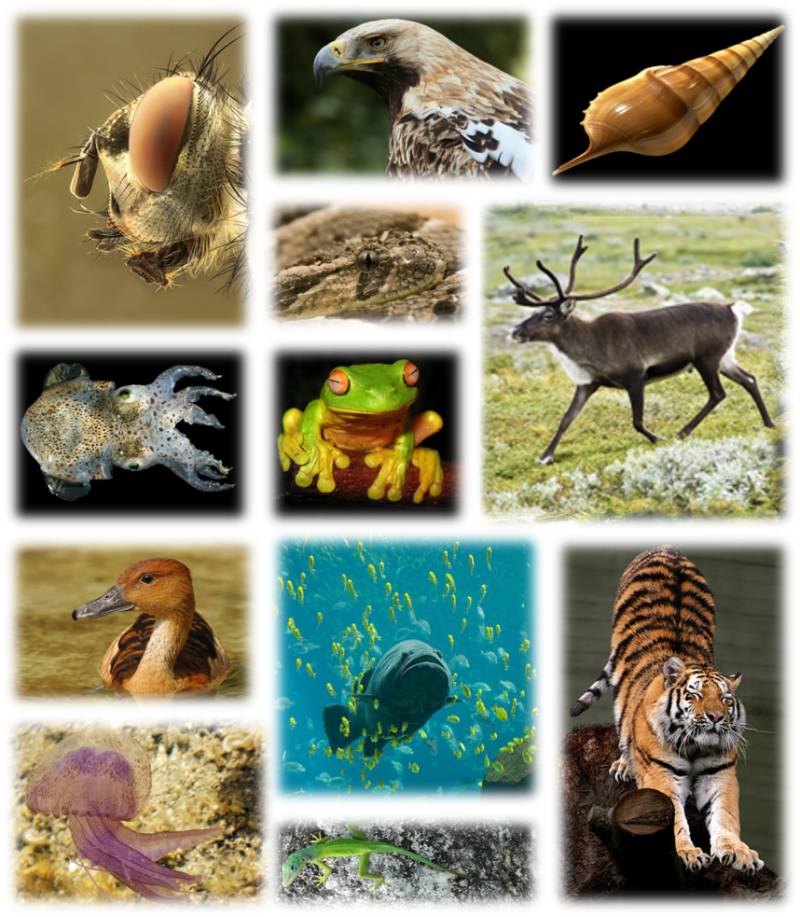
A United Nations biodiversity report in early May warned that 1 million of the planet’s 8 million plant and animal species face the threat of extinction, many of them within decades. This is happening tens to hundreds of times faster than the rate over the past 10 million years.
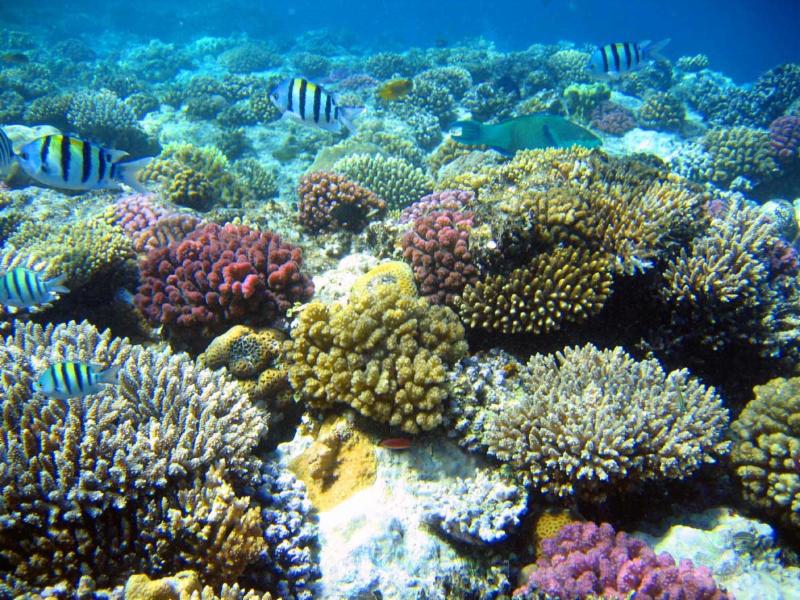
The 7 billion people on earth are all exploiting natural resources, causing pollution and driving climate change–an unnatural history. Urban areas have just about doubled since 1992, and crop production has tripled since 1970. Plastic pollution has risen tenfold since 1980. Human activity has “severely altered” 66% of marine and 75% of land environments, and native species have fallen by a fifth. More than 33% of marine mammals, almost a third of reef-forming corals and 40% of amphibians are threatened with extinction, and 10% of insects also are at risk.
The United Nations is calling for the world to see the situation as a climate emergency because human life is inextricably linked with
natural ecosystems. Authors of the report note that three quarters of the world’s crops depend on animal pollination and that $577 billion worth of crops could be lost each year is pollinators were to become extinct. Twenty-three percent of land already is degraded and less productive, and coastal habitat destruction has heightened flood and hurricane risk for 100 million to 300 million people. Robert Watson, one of the report’s authors, said, “We are eroding the very foundations of our economies, livelihoods, food security, health and quality of life worldwide.”
Source: Time, May 20, 2019.
On a related note, KEC member Karl Liske recommends the book Falter: Has the Human Game Begun to Play Itself Out? by Bill McGibbon. Amazon.com says this about McGibbon’s book: “Bill McKibben’s groundbreaking book The End of Nature . . . was the first book to alert us to global warming. But the danger is broader than that: even as climate change shrinks the space where our civilization can exist, new technologies like artificial intelligence and robotics threaten to bleach away the variety of human experience. “Falter tells the story of these converging trends and of the ideological fervor that keeps us from bringing them under control. And then, drawing on McKibben’s experience in building 350.org, the first truly global citizens movement to combat climate change, it offers some possible ways out of the trap. We’re at a bleak moment in human history–and we’ll either confront that bleakness or watch the civilization our forebears built slip away.
“Falter is a powerful and sobering call to arms, to save not only our planet but also our humanity.”
Longtime KEC member Rick Feinberg wrote the following poem years ago after a hike through the Cuyahoga Valley National Park, where his son decided to “wash” his hands in Brandywine Creek. River of Illumination There’s a chemical solution where you go for your ablution In the River of Pollution that is flowing through the Park. From the muck and from the mire rise the molecules of fire As the flames burn ever higher and illuminate the dark.
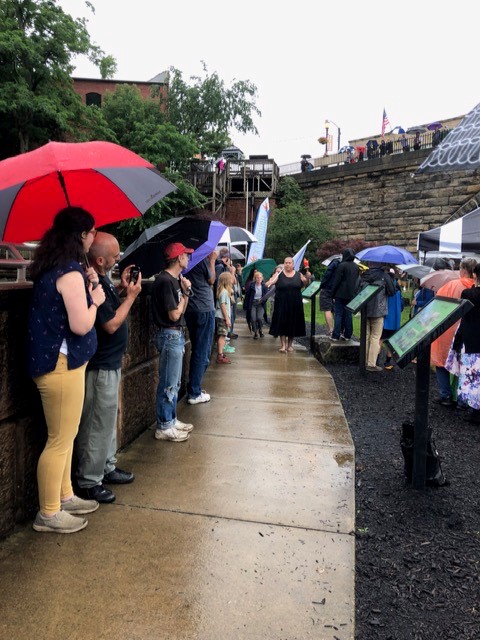
People await the passing of the torch
Well, the polluted and burning-river image is being put to rest this year on the 50th anniversary of the last fire on the Cuyahoga River, the one that appeared in Time magazine and helped spark the environmental movement and the Clean Water Act. The Cuyahoga River was named “River of the Year” by the group American Rivers in honor of all the hand work that groups have done to clean and restore the river and make it an example for the rest of the country.
All along the Cuyahoga River this year, the Xtinguish Torch Fest helped to highlight the progress that has been made. In Kent, the event was sponsored by the Kent Environmental Council, Davey Tree, Hometown Bank, Kent Parks and Recreation Department, the Portage Foundation, the Portage County Stormwater District, and the city of Kent. Many other groups and individuals donated money or their time to help plan the event.
There were many environmental exhibitors and food vendors for attendees to visit, and the Wick Poetry Center was helping people write more poems about the river. Although the rain canceled two band performances, music played from speakers on the Main Street bridge as Hal Walker rode in a bicycle cab while playing his instrument. The Kent Women’s African Drum Ensemble played from the river level, as experienced kayakers braved the very high and fast-moving river, and Marlys Rambaugh brought the torch in from the river’s source in Geauga County. Speakers talked about the improved habitat for fish and invertebrates, the increase in wildlife, healthier water and environment, and increased recreation on the river and on trails nearby.
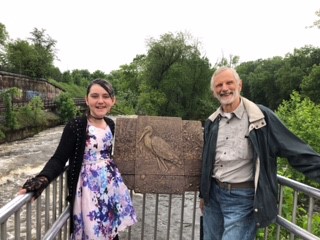
Fourth-grader Kora Mendez (left) and sculptor George Danhires pose by Danhires’ relief sculpture of the Cuyahoga River and a blue heron.
A relief sculpture by George Danhires was installed on the railing below the bridge overlooking the river and formally dedicated. The image is of the river and a blue heron, which is a regular visitor to the waterway in Kent. The sculpture also displays the following poem written by fourth-grader Kora Mendez, which she read aloud during the ceremony:
The river knows that place in your mind that flows. You can feel the rocks on the bottom of your feet. And then it takes you home.
The torch was then passed to Elaine Marsh to take it to Cuyahoga Falls. From there, the torch was carried though the Cuyahoga Valley National Park and up to the mouth of the river in Cleveland.
Catherine Ricks from the Kent Parks and Recreation Department summed up the event best when she said: “The synergy of the torch festival team, public and participants was incredible and the rain feeding the energy of the river only heightened my awareness of the Cuyahoga being the reason we were gathered there. The river was singing her own renaissance song . . . loud and clear. We all followed her beat.”
Xtinguish Torch Fest is a community-wide celebration of recovery for the Cuyahoga River–50 years after the river caught fire. That incident played a role in the development and passage of the Clean Water Act and the Clean Air Acts and helped to spur the environmental movement overall. We hope all of you will join us. The festivities will take place in downtown Kent on Thursday, June 20, from 4 p.m. to 9 p.m. Music, food, bands, interactive displays, a dragon trash monster, poetry, dedication of a large bronze sculpture near the river, and a passing of the torch from the headwaters through Kent, on to the Falls and then to the mouth of the river in Cleveland. Come and be part of this historic event. See details below:
Juliana v. United States has been working its way thought federal courts since 2015, when it was filed on behalf of 21 children trying to stop the United States from using fossil fuels. The plaintiffs say that fossil fuels are causing climate change, endangering their future, and denying their rights to life, liberty and property. This story was reported by Steve Kroft on the March 3 edition of “60 Minutes.”
Kelsey Juliana
Kelsey Juliana, the oldest of the plaintiffs, was 19 when the lawsuit was filed in 2015 in Oregon. Juliana lives in Oregon’s Cascade Mountains, where she has had to deal with droughts and wildfires. She talked on this show about being unable to go outside because the air quality was so bad. She said that scientists have told her it’s bad for health and that the federal government said in its response to the suit that the effects of climate change are already happening, and young people could have to deal with those effects for the long term.
Levi Drehan
The youngest plaintiff, Levi Drehan, is now in sixth grade and lives with his family on a barrier island in Florida, which is only one mile wide and just barely above sea level. He is afraid he won’t have a house in the future. The other 19 children from 10 states involved in the lawsuit also worry about the effects of climate change on their lives.
While many people did not take the lawsuit very seriously at first, it is still winding its way through the courts, and two motions by the government to delay or dismiss the case have been rejected twice by the U.S. Supreme Court. The plaintiffs have amassed such a huge body of evidence that it will surprise even skeptics and is forcing the government to admit that the crisis is real.
Attorney Julia Olsen
The children are represented by Julia Olsen, an Oregon attorney and director of the nonprofit For Our Children’s Trust. A timeline that goes back 50 years lines the walls of the organization’s office. The timeline shows that for the past 50 years, all government administrations knew about the connection between fossil fuels and climate change and that every president since Lyndon Johnson was aware that fossil fuels were causing climate change. The evidence against the government, said Olsen, totals 36,000 pages and will be used in court. For 50 years, Olsen added, the government was briefed regularly by the national security community and the scientific community about climate change. She noted that government attorneys do not want it to go to trial because they know they will lose, given the evidence that will be presented. Attorneys for the federal government have admitted in court that the government knew the burning of fossil fuels would cause climate change, that the government does not dispute the claim that the planet is in a danger zone because of the effects of climate change, and that the government does not dispute that climate change is a threat to people’s lives and safety. The defendants also admit that human activity, particularly elevated concentrations of greenhouse gasses, is likely the dominant cause of observed warming that has occurred since the mid-1990s and that greenhouse-gases have been at unprecedented levels for at least 2.6 million years-resulting in an unprecedented loss of life, the extinction of many species, an increase in the intensity of hurricanes and severe storms, an increase in precipitation, an increase in the loss of sea ice, and rising sea levels. The government also has acknowledged that the effect of climate change on agriculture will lead to food scarcity.
Attorney Julia Olsen agrees with economists who say that failure to address climate change will have a devastating effect on the economy.
Olsen said that Juliana v. United States is the easiest case she has ever litigated because she simply is using the government’s own words to prove her case. Olsen said that because the government has failed to protect the country’s air, water, forests and coastlines, the lawsuit is asking the defendants to devise a plan to wean the country off fossil fuels by the middle of this century. In his reporting, Kroft noted that some people say the abandonment of fossil fuels will cause economic disruption, to which Olsen responded, “If we don’t address climate change in this country, economists across the board say that we are in for economic crises we have never seen before.”
Kroft asked Olsen why the federal government was responsible for climate change. Olsen told Kroft the government is to blame because it subsidies the country’s fossil fuel energy systems, allows every aspect of the country’s fossil fuel energy system to exist and allows energy companies to extract fossil fuels from public lands.
Ann Aiken, a federal judge in Eugene, Oregon, denied a motion to dismiss the case, saying that “exercising my reasoned judgment . . . I have no doubt that the right to a climate system capable of sustaining human life is fundamental to a free and ordered society.” The courts have never before recognized a constitutional right to a stable climate and there is no passage in the constitution that says this, but she believed it was not a stretch. Justice Department briefs have called the lawsuit misguided, unprecedented and unconstitutional. The briefs also argue that energy policy is the legal responsibility of the Congress and the White House and not a single judge and that climate change is a complicated global problem that cannot be solved by the United States alone.
The next oral arguments in the case will be in June in Portland, Oregon. While it is impossible to predict how both storms and lawsuits are likely to end, one environmental attorney notes that courts have been asked the government to do bold things in the past, such as desegregation (Brown v. Board of Education) and that perhaps this case will be similar.
The Hidden Life of Trees: What They Feel, How They Communicate
By Peter Wohlleben
Drawing on groundbreaking new scientific discoveries, Wholleben
tells us about the previous unknown life of trees and their communication abilities.
Much like human families, tree parents live together with their family members,
support them as they grow–sharing nutrients with those trees that are sick or
struggling and creating an ecosystem that mitigates the impact of extremes of
heat or cold for the whole group. Trees in a family or community can live to be
very old. In contrast, solitary trees have a tough time and, in most cases, die
much earlier than those in a group. Wohlleben translates this knowledge into
good forest practices.
Grocery: The Buying and Selling of
Food in America
By Michael
Ruhlman
If you care about why you eat what you
eat, and want to do something about it, you need to read this book that talks
about the growing and marketing of food and its costs to people’s health.
With the noted decline in success of rearing honeybees, many growers and home gardeners have begun to worry about the reliability of counting on honeybees alone for pollination of their crops and gardens. Besides the problems with maintaining hives of honeybees because of loss of habitat, pests and increased use of harmful pesticides, there are several other reasons to look beyond honeybees for adequate pollination of fruits and flowers. Honeybees are good, but not great, pollinators of many flowers. Their time per flower is longer than some bees, and there are bees that carry more pollen per visit than honeybees. Honeybees avoid pollinating members of the nightshade family (Solanaceae), which includes tomatoes, peppers, eggplants and potatoes. Honeybees avoid dim habitats (such as the edge of forests), become disoriented in greenhouses, and take the day off if it rains. Finally, honeybees aren’t fully active until May, although many flowering crops bloom from late March through April. For these reasons, many people are looking for native bee species for crop pollination. Bees that are gentle and easily handled are at the top of the list. Among the best of these native bees for use in Northeast Ohio is the blue orchard bee (Osmia lignaria).
The blue orchard bee (BOB, for short) is a member of the family of mason bees, so named because they lay their eggs in small chambers walled off with mud, just as a mason lays bricks separated by cement. No queen bees here. As with most bee species, these are solitary bees that build individual nests rather than an organized social-colony hive headed by a queen. BOB overwinters in a cocoon, emerging when temperatures reach above 55 degrees Fahrenheit for several consecutive days. The males emerge first, followed in a couple days by the females. The first thing the female BOB does is mate with one or two males. After mating, she spends several days sucking up nectar until her ovaries mature, then she gets down to business of building a nest. She will seek out a nesting site that is a tube-shaped cavity around six inches long and just the right diameter of 5/16 inch. When selecting a nest, the female BOB flies back and forth in front of the hole to make sure she can remember exactly where it is located. She also wants to be sure the correct type of mud–a silt-clay mixture moist enough to be balled up–is in the vicinity to pack into the nest.
Blue Orchid Bee
She begins
building the nest by carrying some mud in her mandibles and packing it at the
back of the nest. Then she forages for pollen and nectar in nearby flowers,
generally within 100 yards of the nest. BOBs prefer Rosaceae–flowers of the
rose family, such as apples, pears, almonds and blackberries. The female BOB can visit as many as 75
flowers in one trip to provision the nest with a mix of pollen and nectar; it
takes about 25 trips to provision one compartment in the nest. She flies from
dawn until dusk, even if it’s windy or drizzly. When the compartment in the
nest is sufficiently provisioned, she lays a fertilized egg and then closes the
compartment with a dollop of mud. Next, she collects pollen and nectar for the
next compartment, lays an egg and closes it off. She builds the nest from the
back to the front but, as she approaches the front of the nest, she lays
unfertilized eggs. Fertilized eggs become females, while unfertilized eggs
become males; the sex ratio in BOBs is two females to three males. When the
nest is complete, she walls it off with a dollop of mud, then begins the
process all over again, seeking a new nesting site and so on. Inside the nest
the eggs hatch. Each larva goes through three molts, then pupates and
overwinters in the cocoon, hatching only when the weather turns from cold to
cool the following spring.
Think about all the flowers the female
BOB visits to complete one compartment of the nest: 75 flowers per trip x 25
trips per compartment = more than 1,800 flower visits, and there are about
eight compartments per nest. And each female BOB builds several nests during
her lifetime, which is only four to eight weeks long. Wow!! BOBs visit more flowers
per minute than honeybees, and they collect more pollen per visit than
honeybees, making them highly efficient, valuable pollinators. They are so
valuable that a cottage industry has sprung up, selling mason bee
“hotels,” which provide the right length and diameter for BOB nests.
But wait, there’s more! You also can buy BOB cocoons and mason bee mud. Mud,
cocoons and “hotels” can then be placed in an orchard or a flower
garden. It has been noted that by encouraging BOBs into an orchard, crop yields
can be noticeably improved. The blue mason bee is active early in the season,
from late March through early June.
References:
Wilson, J.S., & Carril, O.M.
(2016). The Bees in Your Backyard: A Guide to North American Bees. Princeton
University Press. ISBN 978-0-691-16077-1
The acting Environmental Protection Agency administrator and the Trump administration in general continue to support fossil-fuel use and deregulation at the risk of the health and wellness of the people and the planet. Here are some of the actions they have taken:
Rollback
of Mercury Regulations.
The EPA and the Trump administration have ordered a rollback of mercury
regulations from coal plants. Those regulations have cut mercury emissions from
coal-fired power plants by 85% in the last decade. Environmentalists have
described the regulatory rollback as snatching defeat from the jaws of victory.
Mercury causes brain damage, learning disabilities, and other health defects in
children and enters the food chain through fish and other items people eat. The
Obama administration projected that mercury restrictions would prevent 130,000
asthma attacks and 11,000 premature deaths in the United States. The rule
change for mercury emissions is in the comment period.
Gutting
of the Clean Water Act.
The EPA and the Trump administration are attempting to gut the Clean Water Act
by exempting ephemeral streams and wetlands that have no aboveground connection
to larger bodies of water–a move that would leave half or the nation’s
wetlands subject to pollution and destruction. Ohio has already lost 90% of its
wetlands, and the gutting of the Clean Water Act would harm another 50% of what is left. These
intermittent streams, however, are important to the health of the environment.
They filter out pollutants, and the water flows to larger tributaries that
provide drinking water to millions of people. Environmentalists say the
administration’s move favors developers and fails to heed basic science that
shows how these streams and wetlands prevent flooding by absorbing significant
amounts of rainwater and snowmelt that otherwise would reach larger streams and
basic scientific evidence that the streams and wetlands provide habitat for
wildlife and protection from predators. Nationwide, flooding causes $8 billion
in damage every year to property and crops. Agriculture already is largely
exempted from the Clean Water Act (which adds to the problem of algal blooms in
Lake Erie). Industrial rights groups and rural landowners, however, want to
weaken the law further.
Carbon-Capture
Rollbacks. The EPA has proposed rolling back a
regulation to require cutting-edge carbon-capture techniques for new coal
plants to remove what the agency calls “excessive burdens” on the
energy industry.
Propping
Up the Coal Industry.
The Trump administration incorrectly blamed the coal industry’s problems on
overregulation aimed at decreasing carbon and mercury emissions and finding
ways to deal with coal-ash disposal issues. The U.S. Energy Information
Administration’s annual energy outlook, however, forecasts a 21% decline in
coal production over the next 20 years–an even steeper decline than expected
two years ago when there was more regulation of the industry. Technology
developments that have led to the shale gas revolution are providing a much
cheaper alternative to coal, and renewables have made faster than expected
technological advances–leaving coal in the dust.
Fixation
on Natural Gas. The U.S. Gas
Infrastructure Exports Initiative has as its mission to drive sales of American
natural gas by pumping dollars into pipelines and gas-producing facilities
overseas. The organization is a coalition of companies, trade groups, law
firms, a nonprofit think tank, and at least five federal agencies. Launched a year ago,
the organization continues to market liquified natural gas (LNG) as a
“clean” energy source that is clearly in U.S. economic interests. The
organization has funded 13 gas projects in more than 20 countries and generated
more than $1.5 billion in exports. The U.S. Trade and Development Agency (which
describes itself as “an independent agency of the United States
government, established in 1961 to advance economic development and U.S.
commercial interests in developing and middle income countries) is considering
action to fund some of the 40 international gas-related facility proposals it
has received this year as part of its effort to help countries in emerging
markets develop the infrastructure necessary to be long-term recipients of U.S.
LNG exports. The United States has a handful of export terminals now, and plans
call for a dozen more. Environmentalists’ support for LNG as a
“clean” transitional alternative to coal and diesel has eroded
because methane leaks at oil and gas sites are 60% over estimates and because
LNG still emits a significant amount of carbon dioxide. Environmentalists say
it is time to look beyond natural gas to renewables.
Limits on
States’ Ability to Block Interstate Pipelines. And last but not least for this month, the Trump administration is considering
taking steps to limit the ability of states to block interstate pipelines. This
action is aimed mainly at Northeastern and Midwestern states. New York
successfully blocked an interstate pipeline by denying a water-quality permit.
Pipeline advocates say that states have abused their authority under the Clean
Water Act to block pipelines and that even if Trump tires to use an executive
order to get what he wants, real change may require legislation to alter the
statute itself.
In more hopeful news, the states of
California, New Mexico, New York and Washington have joined conservationists
and tribes to sue coal companies in an attempt to revive former President
Barack Obama’s moratorium on new lease sales for federal lands that hold
billions of tons of coal. The moratorium was issued because coal is a source of
pollution that puts the climate and public health at risk. U.S. District Judge
Brian Morris is expected to issue a ruling in the coming months. The National
Mining Association argues that the moratorium was a voluntary step and that the
Trump administration has the right to end it. Environmentalists want to resume
a sweeping review of the moratorium’s environmental effects.
Also, earlier this year, the U.S. Court
of Appeals for the District of Columbia ruled that the EPA’s delay in
implementing the Chemical Disaster Rule was unlawful. This ruling will expedite
key protections to safeguard the public and first responders from chemical
disasters.
Sources: Record-Courier,
December 30, 2018; Akron Beacon Journal,
December 7, 2018, December 13, 2018, December 21, 2018, January 22, 2019,
January 26, 2019, January 31, 1019; EarthJustice, October 30, 2018.
When Helen moved from environmentally forward-thinking Boulder,
Colorado, to Kent, she saw no evidence of such consciousness in her new
hometown. That dismay turned to delight when she came across Ruth Meade, Walt
and Nancy Adams, Joan Sturtevant, and Joyce Keller standing by a truck in Acme
Plaza. They were collecting newspapers as part of Kent Environmental Council’s
nascent recycling efforts. She enthusiastically connected with the group,
helping their efforts to clear the Cuyahoga River banks and supporting the
recycling program.
The recycling effort flourished, and a recycling center was built
off Lake Street in Kent, staffed by volunteers. Helen’s first foray into
fundraising began when money was needed to support the fledgling recycling
center. Recognizing that a recycling center might not be of great interest to
many potential donors, Helen conceived and led a fund-raising effort to raise
money for a Kent beautification program that also would provide some funds to
support the recycling center. That effort successfully raised funds to help
beautify entrances to Kent. The eight-year Haymakers Parkway landscaping
project along the State Route 59 bypass netted contributions totaling $70,000
from the community. Helen enlisted the support of her husband, Stanford, to
build an attractive Kent sign at the north entrance to the city on Mantua
Street. That carved wood sign grounded in cement continues to welcome people to
the city.
Helen Gregory (seated) on the Portage Hike and Bike Trail
A talented writer, Helen launched a column for KEC in the
Record-Courier titled “Eco-Focus,” which was published regularly for
four years. Her columns covered a wide range of subjects with intriguing titles
such as:
Waste not with compost
‘magic’
Try alternatives to
junking junk mail
Thinking ‘green’ good idea
for gifts
‘Green’ office means
reducing waste stream
It’s time to learn to love
your leaves
Helen served as chair of KEC in the early 1990s and was member of
the Portage Park District Foundation Board. She also was engaged in other
leadership and service efforts in the community. In 2018, Helen received the
Environmental Conservation Award for Lifetime Achievement from the Portage Park
District.
Helen was a relentlessly positive person, and we will sorely miss
her energy and encouragement.
The Environmental Science and Design Symposium, formerly the Land and Water Symposium, is a multidisciplinary forum that promotes the exchange of ideas related to the resiliency of natural and built systems. This year’s theme, “Complexity of Environmental Legacies”, reflects the challenges of developing sustainable systems in landscapes transformed by decades of modification and contamination. Speakers from a wide range of disciplines (fashion, geology, geography, architecture, and ecology) will address topics related to urban, sustainability, restoration, and the integration of design with biological systems.
All Events in KIVA and Student Center, as indicated below Kent Student Center (On Campus), Kent, OH 44242
WEDNESDAY, MARCH 20, 2019
Time
Description
6-7 p.m.
Keynote Address* Title: Legacy Nutrient Pollution Impacts on Current and Future Environmental Challenges Beth Boyer, Associate Professor of Water Resources, Penn State; Director, Pennsylvania Water Resources Research Center; Assistant Director, Institutes of Energy & the Environment Location: KIVA
Reception Immediately following the address
Reception sponsored by the Cleveland Water Alliance, in the Westfield Insurance Room (204 Kent Student Center) located above the KIVA.
THURSDAY, MARCH 21, 2019
Time
Description
9-9:15 a.m.
Opening Remarks
9:15-9:45 a.m.
Title: Real gems of the Emerald Necklace: Reflections on a century of land use and nature’s resiliency Jennifer Grieser, Senior Natural Resources Area Manager — Urban Watersheds, Cleveland Metroparks Location: KIVA
9:45-10:15 a.m.
Title: Lake Erie Algal Blooms: An Update and Lessons Learned While Seeking Solutions Chris Winslow, Ohio State (Stone Laboratory); Director, Ohio Sea Grant College Program Location: KIVA
10:15-10:45 a.m.
Title: Legacy impacts of coal mining on water resources Elizabeth Herndon, Assistant Professor of Geology, Kent State Location: KIVA
10:45-11:15 a.m.
Coffee Break in Kent Student Center Ballroom
11:15-11:45 a.m.
Title: Waste to Value: Beneficial Uses of Dredged Material for Resilient and Sustainable Built Environment Rui Liu, Assistant Professor of Architecture and Environmental Design, Kent State University. Location: KIVA
11:45 a.m.-12:15 p.m.
Title: Closed Loop Fashion Noël Palomo-Lovinski, Associate Professor of Fashion Design & Merchandising, Kent State University Location: KIVA
12:15-12:45 p.m.
Title: An interactive platform for community energy empowerment Bess Krietenmeyer, Assistant Professor in Architecture and founder of the Interactive Design and Visualization Lab (IDVL) at Syracuse University Location: KIVA
12:45-2:15 p.m.
Lunch (on your own)
Time
Description
2:15-3:15 p.m.
Keynote Address* Title: Art, Propaganda, and the Discrediting of Science J Henry Fair, Environmentalist & Fine Art Photographer Location: KIVA
3:15-4:15 p.m.
Panel Discussion with Keynote and Symposium Speakers, moderated by Joseph D. Ortiz, Professor of Geology, Kent State University Location: KIVA
4:15-6:30 p.m.
Poster Session, Book Signing with J Henry Fair,** Exhibits, Recruiting; with light refreshments Location: Kent State Student Center